

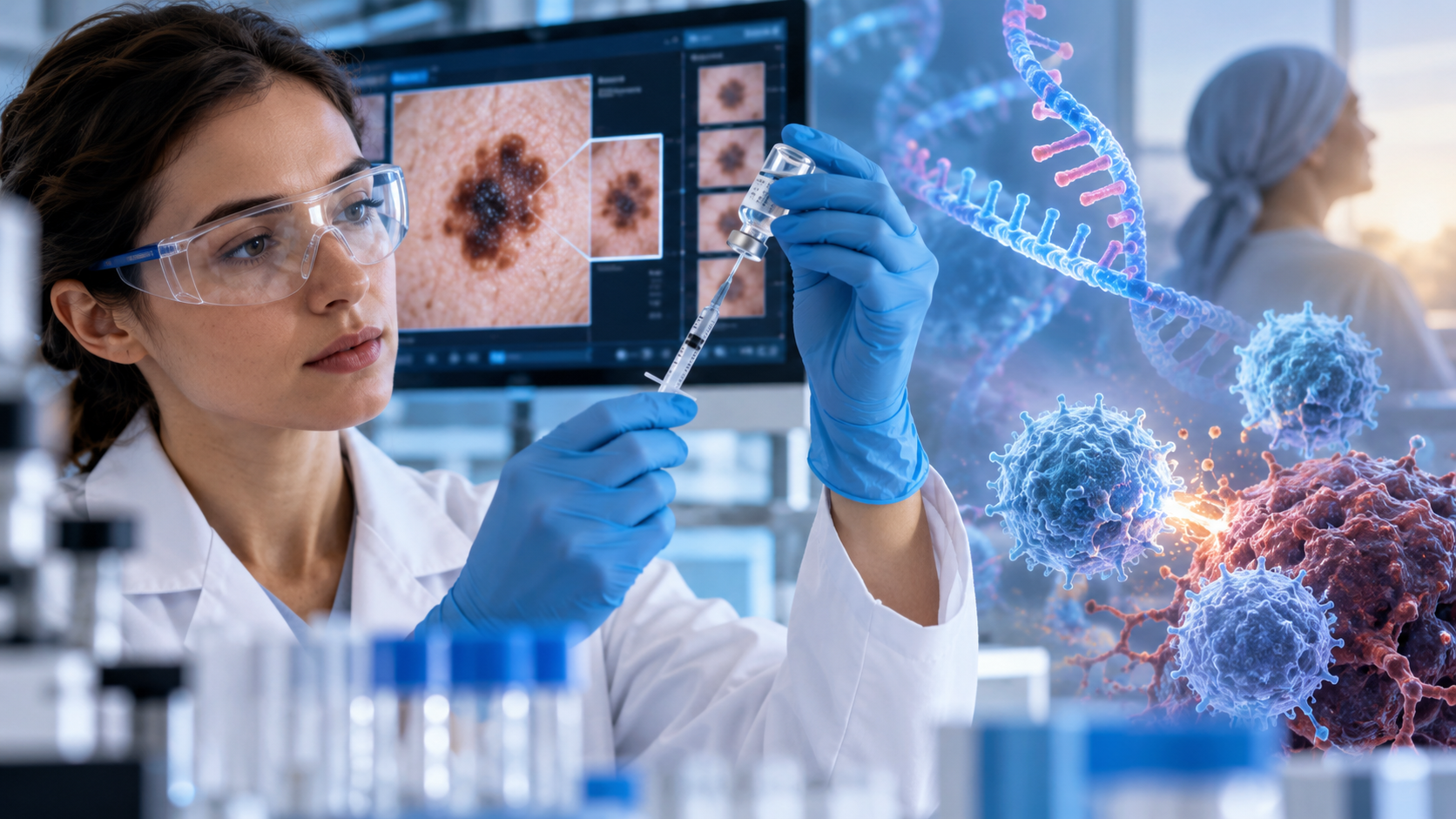
An important breakthrough has been achieved in the fight against melanoma, one of the most dangerous forms of skin cancer. An international study has confirmed that an experimental vaccine tailored to the genetic characteristics of an individual patient’s tumour can significantly reduce the likelihood of the disease returning after surgery.
The technology opens up new possibilities in oncology, although several important steps remain before it can become widely available.
On 22 October 2026, American pharmaceutical companies Moderna and Merck presented detailed results from the Phase 3 INTerpath-001 clinical trial. The study focused on intismeran autogene, previously known as mRNA-4157 and V940.
Unlike traditional vaccines designed to prevent infectious diseases, this new treatment is administered after cancer has already been diagnosed. Its purpose is to help the immune system identify and destroy malignant cells that may remain in the body following surgical removal of the tumour.
The study results were encouraging. Adding the personalised vaccine to existing immunotherapy reduced the relative risk of melanoma recurrence or death by 42% compared with immunotherapy alone.
However, the developers emphasise that this remains an experimental treatment. Despite the successful trial results, the vaccine must still undergo the necessary registration procedures and receive regulatory approval.
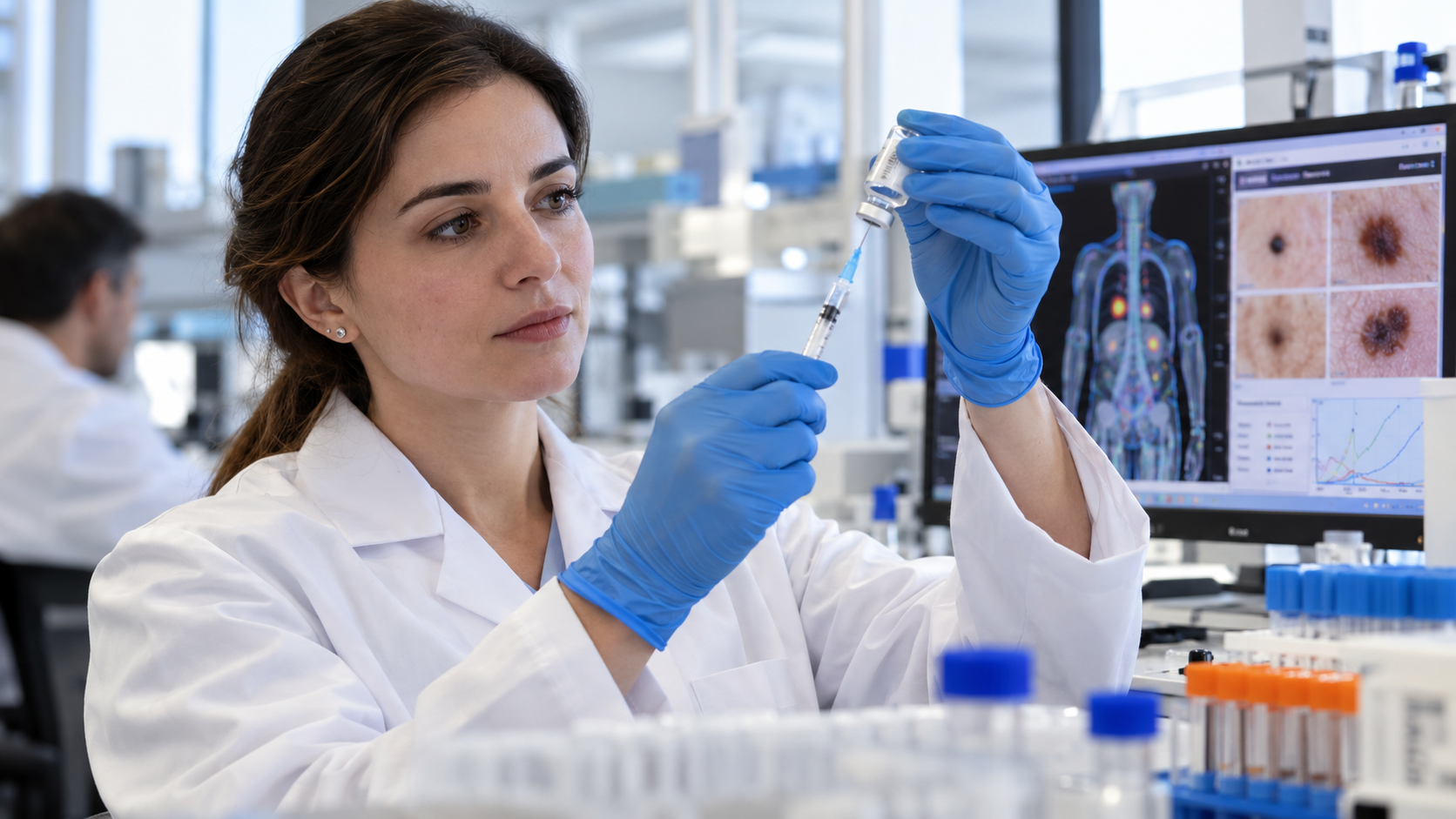
More than 1,000 patients participated in the trial
The INTerpath-001 study marked one of the most important stages in evaluating personalised cancer vaccines.
The trial involved 1,137 patients with stage IIB–IV cutaneous melanoma. All participants had undergone surgery to completely remove their malignant tumours. However, because of the nature of the disease, there remained a risk that the cancer could return.
Following surgery, patients were randomly assigned to two groups.
The first group received Keytruda (pembrolizumab) together with the experimental vaccine intismeran autogene. The second group received the same Keytruda treatment but was given a placebo instead of the vaccine — a substance containing no active anticancer ingredient.
Participants were assigned in a two-to-one ratio, meaning approximately two-thirds received the combination treatment.
The trial was double-blind. This means that neither the patients nor the researchers directly assessing the treatment knew who had received the actual vaccine and who had received the placebo. This approach helps reduce the risk of bias when evaluating the results.
Participants in the experimental group could receive up to nine intramuscular vaccine injections at three-week intervals. At the same time, they received intravenous pembrolizumab immunotherapy every six weeks, for a maximum of nine cycles.
The treatment period specified in the protocol lasted approximately one year, unless the disease recurred or unacceptable adverse reactions occurred earlier.
What the results showed after two years
At the time of the primary analysis, the median follow-up period was 24.6 months.
Researchers identified a substantial difference between the two treatment regimens.
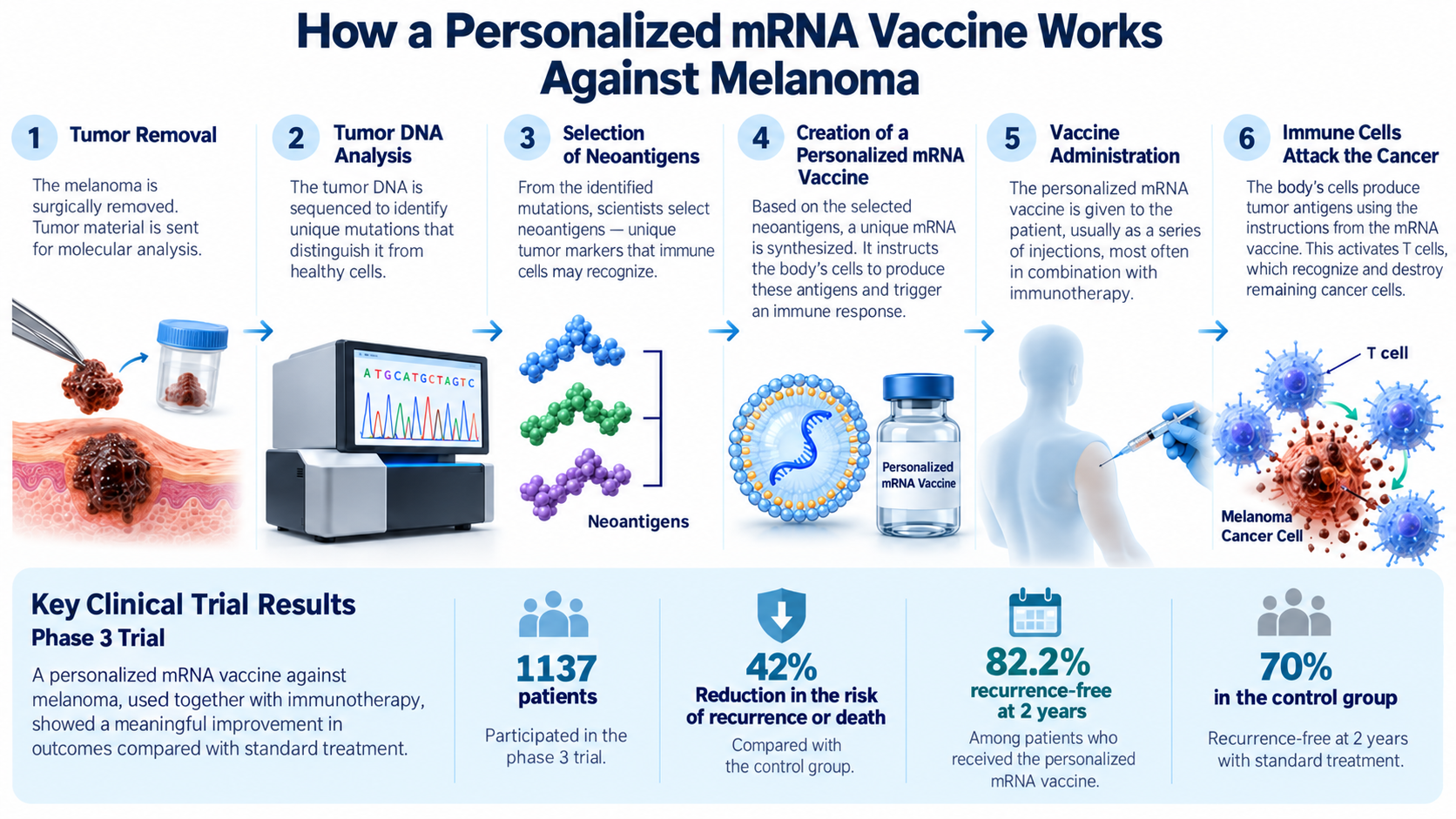
Two years after entering the study, 82.2% of patients who received the vaccine together with pembrolizumab were alive and had experienced no recurrence of melanoma.
Among participants receiving standard immunotherapy alone, the corresponding figure was 70%.
The absolute difference between the groups was therefore 12.2 percentage points. Additional statistical analysis showed that combining the two treatments reduced the relative risk of recurrence or death by 42%.
It is important to distinguish between these two measures. A 42% reduction in risk does not mean that the vaccine saves an additional 42 out of every 100 patients. Instead, the figure describes the relative change in the risk of the event being studied during the observation period.
Another important finding concerned the spread of malignant cells beyond the original tumour.
After two years, 88.5% of participants in the experimental group were alive without distant metastases. Among those receiving Keytruda alone, the figure was 80.2%. According to the researchers’ calculations, the risk of distant metastasis or death was reduced by 38%.
This difference is particularly important for patients with melanoma because the spread of cancer to other organs makes treatment considerably more difficult.
However, it cannot yet be concluded that the new combination has definitively been shown to increase overall survival. The overall survival data are not yet mature enough for a final conclusion, so follow-up of the participants is continuing.
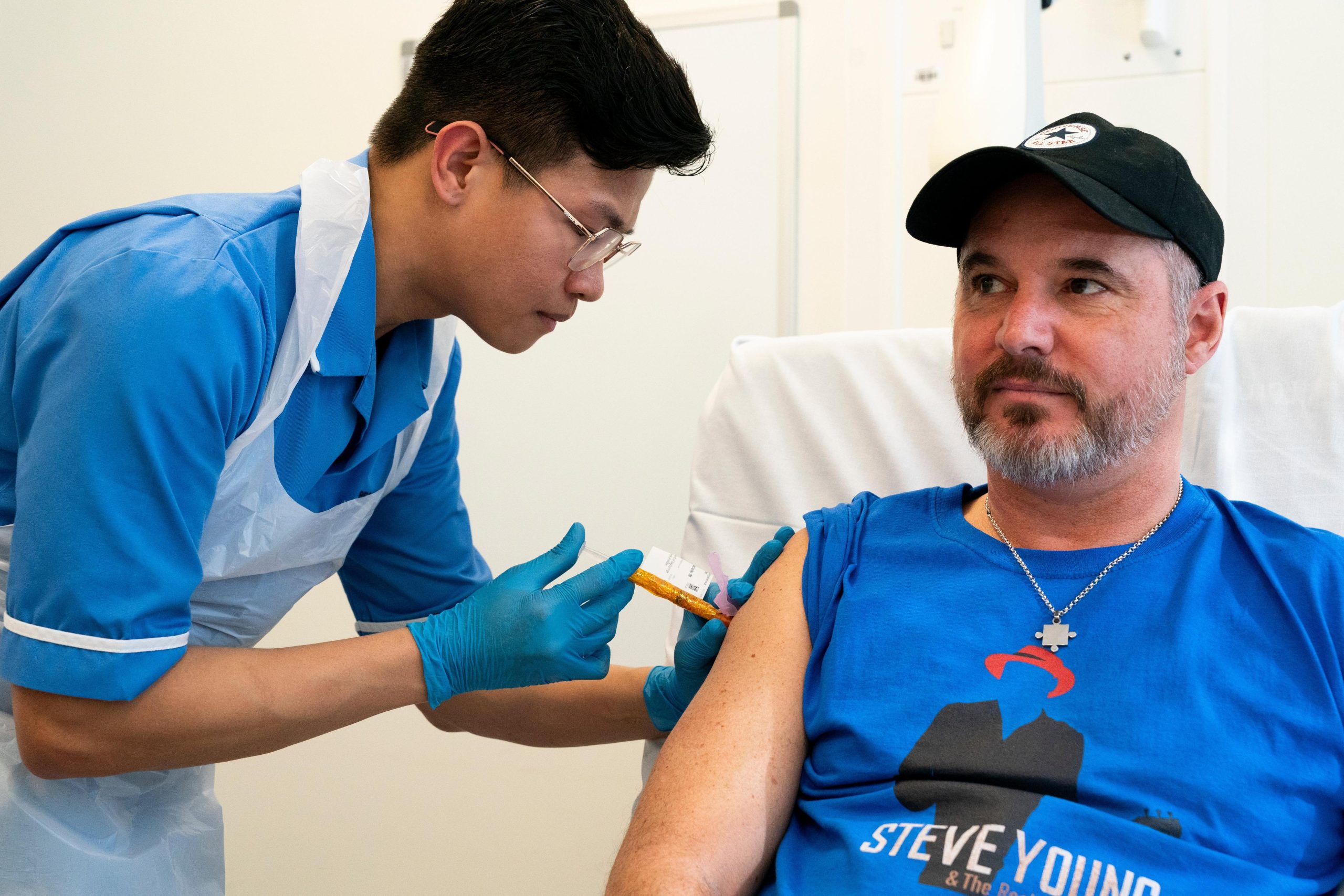
The photograph shows patient Steve Young, a participant in the INTerpath-001 trial, and healthcare professional Christian Medina administering an injection. The image was taken during the Moderna and Merck clinical trial. Because the study was blinded, it is not possible to determine from the photograph whether the patient received the experimental vaccine or a placebo.
How a vaccine tailored to an individual patient works
The defining feature of intismeran autogene is that it is manufactured individually for each patient. Unlike conventional medicines with the same formulation for everyone, this personalised cancer vaccine takes into account the genetic characteristics of a particular tumour.
Malignant cells often contain mutations that are absent from healthy tissues. Some of these mutations produce altered protein fragments known as neoantigens. These distinctive features can help the immune system distinguish cancer cells from normal cells.
To develop the vaccine, researchers use a sample of the patient’s tumour and compare its genetic information with data from the patient’s normal DNA.
Based on this analysis, they select tumour-specific neoantigens that could potentially trigger an anticancer immune response. They then develop synthetic messenger RNA (mRNA) containing instructions for producing the selected protein fragments.
A single dose of intismeran autogene can encode up to 34 neoantigens.
After administration, the body’s cells use the information contained in the mRNA to produce the corresponding protein fragments. This enables the immune system to recognise them and develop a targeted response against cells carrying these characteristics.
T lymphocytes play a particularly important role in this process. These immune cells can destroy cells in the body that they recognise as dangerous.
The developers hope that training the immune system in this way will allow it to detect microscopic areas of disease more effectively, including those that cannot be identified through routine examinations after surgery.
The treatment is therefore designed not only to address the consequences of an already detected tumour but also to prevent the cancer from returning.
Why the vaccine is combined with immunotherapy
Even when the immune system can recognise malignant cells, tumours may use various mechanisms to suppress the body’s natural defences.
One such mechanism involves a protein called PD-1, which is found on the surface of certain immune cells.
Under normal circumstances, this protein helps regulate the immune response and prevents excessive activity of the body’s defence system. However, some tumours exploit this mechanism to weaken the immune attack.
Pembrolizumab, marketed under the brand name Keytruda, blocks PD-1, allowing immune cells to attack cancer more effectively.
In the INTerpath-001 study, researchers investigated whether two different approaches could be combined.
The personalised vaccine is intended to help the immune system recognise the distinctive characteristics of an individual tumour, while pembrolizumab reduces the restrictions that prevent immune cells from fighting the disease effectively.
It is believed that the combined action of these treatments could provide stronger anticancer protection than either approach alone. This additional benefit was demonstrated in the trial.
Why the treatment’s benefits did not appear immediately
The data published by the companies revealed another interesting finding.
During the first six months of the study, the risk of recurrence or death remained almost identical in both groups.
However, in a prespecified additional analysis of the period after the first six months, the advantage of combination therapy became more pronounced.
For this period, researchers reported a 58% reduction in the relative risk of recurrence or death and a 50% reduction in the risk of distant metastasis or death.
These figures relate to a separate statistical analysis and do not replace the study’s primary result, which showed a 42% reduction in the risk of recurrence or death over the period assessed.
The difference between the early and later results is consistent with the proposed mechanism of action of the personalised vaccine.
Developing a specific immune response takes time. In addition, the vaccination course involves several injections administered over a period of months.
Nevertheless, a definitive explanation of the timing of the treatment’s effects will require further analysis of immunological data and longer-term follow-up results.
How safe was the new treatment?
Treatment tolerability remains one of the main considerations in developing anticancer medicines.
According to the published INTerpath-001 results, treatment-related adverse events occurred in 95.8% of patients receiving the vaccine and pembrolizumab combination.
In the control group, where pembrolizumab was administered without the experimental vaccine, such reactions were reported in 90% of participants.
The most common adverse events in the combination treatment group were fever (52.2%), injection-site pain (51%) and fatigue (38.5%).
The frequency of severe complications remains an important concern. Grade 3–5 treatment-related adverse events occurred in 14.2% of patients in the experimental group and 13.4% of participants in the control group.
In medical research, this classification includes severe and potentially life-threatening complications, as well as fatal outcomes. However, the published combined percentages do not allow the frequency of each category to be determined separately.
The companies reported that no new safety signals were identified during the trial.
When evaluating these results, it is important to remember that adverse reactions could have been associated with either component of the combination treatment. Therefore, these figures cannot automatically be interpreted as the rate of side effects caused by the vaccine alone. Long-term safety also remains under observation.
Years of research preceded the breakthrough
The positive Phase 3 results were not the first evidence of the potential effectiveness of intismeran autogene.
Before conducting the large-scale trial, Moderna and Merck had investigated the combination of the personalised vaccine and pembrolizumab in the Phase 2 KEYNOTE-942 study.
In January 2026, the companies presented results from an analysis conducted after a median follow-up period of five years.
The findings showed that combining the vaccine with pembrolizumab was associated with a 49% reduction in the relative risk of melanoma recurrence or death compared with pembrolizumab alone.
The benefit of combination treatment was therefore maintained during long-term follow-up in the earlier study. However, directly comparing the percentages obtained in Phase 2 and Phase 3 would be inappropriate.
The trials differed in participant numbers, patient characteristics and follow-up duration. In addition, Phase 3 used a more rigorous double-blind, placebo-controlled design.
The results of the larger trial are particularly important for the future consideration of regulatory approval for the new treatment.
The first official announcement that INTerpath-001 had successfully met its primary objectives was made on 19 August 2026. The companies released detailed numerical results on 22 October.
Why melanoma remains a serious health concern
Melanoma develops from melanocytes, the cells responsible for producing the pigment melanin.
The disease is less common than some other types of skin cancer but is distinguished by its ability to spread to other tissues and organs.
According to estimates from the International Agency for Research on Cancer (IARC), part of the World Health Organization system, approximately 332,000 new cases of cutaneous melanoma and around 58,700 deaths from the disease were recorded worldwide in 2022.
One of the main challenges is that successfully removing a visible tumour does not always mean the cancer has been completely eliminated.
Individual malignant cells may remain in the body after surgery and subsequently give rise to new tumour growth.
This is why doctors prescribe additional treatment at certain stages of melanoma to reduce the likelihood of recurrence.
The most dangerous progression of the disease involves the development of distant metastases, when cancer cells spread to organs such as the lungs, liver or brain.
The experimental vaccine is intended for patients at high risk of melanoma recurrence following complete surgical removal of the tumour. Its effectiveness in people with actively progressing, inoperable or advanced melanoma cannot automatically be considered proven on the basis of the INTerpath-001 results.
Could this technology be used against other types of cancer?
The potential applications of personalised mRNA vaccines extend beyond melanoma treatment. Because the approach involves identifying the unique genetic characteristics of a tumour, it could theoretically be adapted to different types of cancer.
Moderna and Merck are already expanding the INTerpath clinical development programme.
As of October 2026, the programme includes nine Phase 2 and Phase 3 studies covering several tumour types and different treatment regimens.
One area of research is non-small cell lung cancer, for which three Phase 3 trials are being conducted.
Additional studies are investigating the technology in certain other cancers, including pancreatic and gastric cancer. However, the existence of these clinical programmes does not mean that the vaccine has already demonstrated effectiveness against these tumours.
Each type of cancer has its own biological characteristics, and the response to immune-based treatment can vary considerably.
Therefore, the results obtained in melanoma patients do not establish that a universal cancer treatment has been discovered.
What prevents the vaccine from being introduced in hospitals immediately?
Despite the success of the clinical trial, several steps remain between obtaining positive results and making the treatment available to patients.
First, the submitted data must undergo a comprehensive regulatory assessment. The pharmaceutical companies have reported discussions with the relevant authorities regarding the next steps towards approval. However, as of 23 October 2026, intismeran autogene remains an experimental treatment.
The second challenge concerns the way the vaccine is manufactured.
While conventional medicines can be produced in large batches with identical formulations, a personalised vaccine must be manufactured separately for each patient. The process involves analysing tumour material, selecting appropriate genetic targets, producing the individual treatment and arranging its delivery to a healthcare facility. This approach requires sophisticated laboratory and manufacturing infrastructure.
Treatment costs are another important consideration. There is currently insufficient publicly confirmed information about the future commercial price of the personalised vaccine to objectively assess its affordability for patients and healthcare systems in different countries.
Researchers must also determine how long the observed benefits last and whether reducing the number of recurrences ultimately leads to longer overall survival.
When will the final scientific data be presented?
The INTerpath-001 results have been included in the scientific programme of the European Society for Medical Oncology (ESMO) Congress 2026, taking place in Madrid from 23 to 27 October.
The companies also announced that the study findings had been accepted for publication in the medical journal The New England Journal of Medicine.
This represents an important stage in the professional evaluation of the research. However, acceptance for publication should not be confused with the article actually appearing in the journal.
The ongoing study is expected to provide additional information on overall survival, treatment safety and other clinical outcomes. These findings will be important not only for the future of the vaccine itself but also for evaluating the broader potential of personalised cancer treatments.
A new chapter in personalised cancer treatment
For many decades, cancer treatment decisions were largely based on the location of the tumour, the stage of the disease and the extent of its spread.
Modern oncology increasingly takes into account the molecular and genetic characteristics of malignant cells. This allows treatment to be selected according to the individual features of the disease.
The INTerpath-001 results demonstrate that this approach can be used not only to select existing medicines but also to develop a treatment specifically tailored to an individual patient’s tumour.
At this stage, researchers have demonstrated a statistically significant benefit from combining the personalised mRNA vaccine with pembrolizumab in two important outcomes: recurrence-free survival and distant metastasis-free survival.
Final conclusions about the effect on overall survival will require additional data.
Nevertheless, the successful completion of a key stage in a major clinical trial shows that personalised cancer vaccines are gradually moving from experimental development towards potential clinical use.
If subsequent results confirm the long-term effectiveness and safety of this treatment, the technology could become an important addition to existing approaches to treating melanoma.
Official sources:
1. Merck and Moderna, 22 October 2026. Official announcement detailing the Phase 3 INTerpath-001 results
2. ClinicalTrials.gov — U.S. National Library of Medicine
3. U.S. National Cancer Institute (NCI). Official medical information on melanoma treatment
4. International Agency for Research on Cancer (IARC/WHO). Global melanoma incidence statistics
5. Merck and Moderna, 20 January 2026. Five-year follow-up results from the Phase 2 trial
This article was prepared using official clinical trial results and information from medical organisations available as of 23 October 2026.
Source: warecho.org