

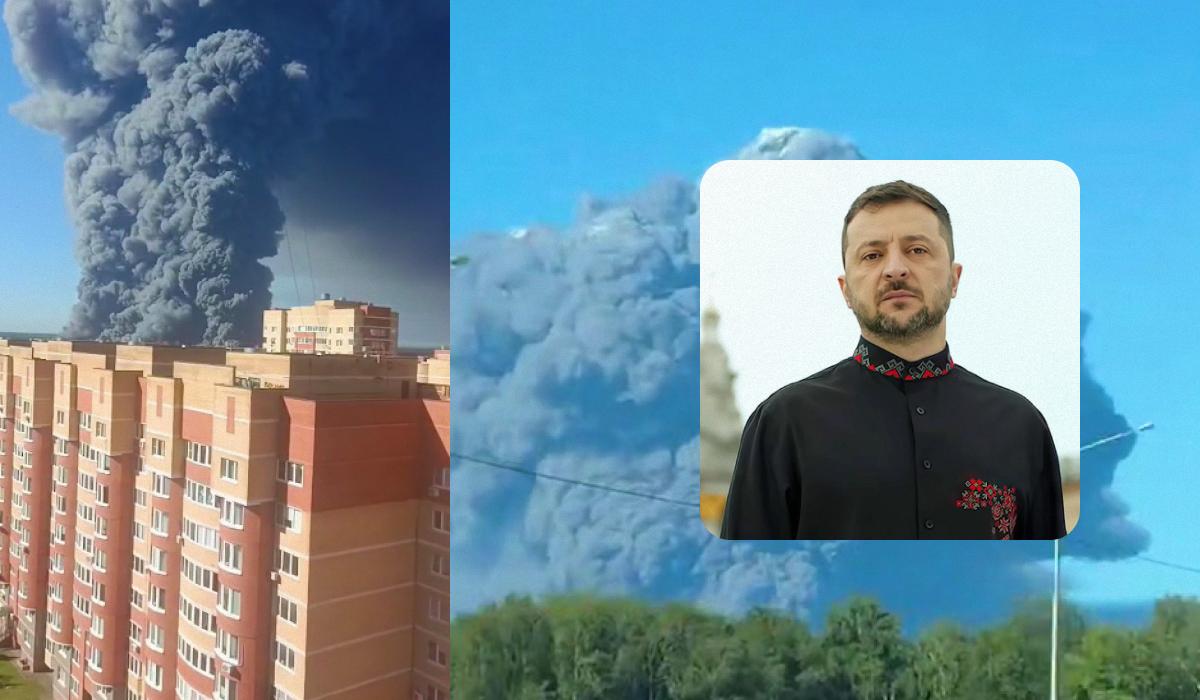
Ukraine’s Defense Forces struck two major russian logistics facilities in the Moscow and Tambov regions, located more than 500 kilometres and around 700 kilometres from the front line, respectively. An oil facility and targets in occupied Crimea and the Azov and Black seas also came under attack.
July 18, 2026. The night once again did not go entirely according to plan in several Russian regions. While Russian air defences, according to official reports, were traditionally “successfully destroying” hundreds of Ukrainian drones, major warehouse complexes caught fire in the Tambov and Moscow regions, along with an oil depot in Noginsk outside Moscow.
Wildberries warehouses in Kotovsk and Elektrostal were among the sites hit. Russian authorities reported fatalities and dozens of injuries. Information about the consequences is still being clarified.
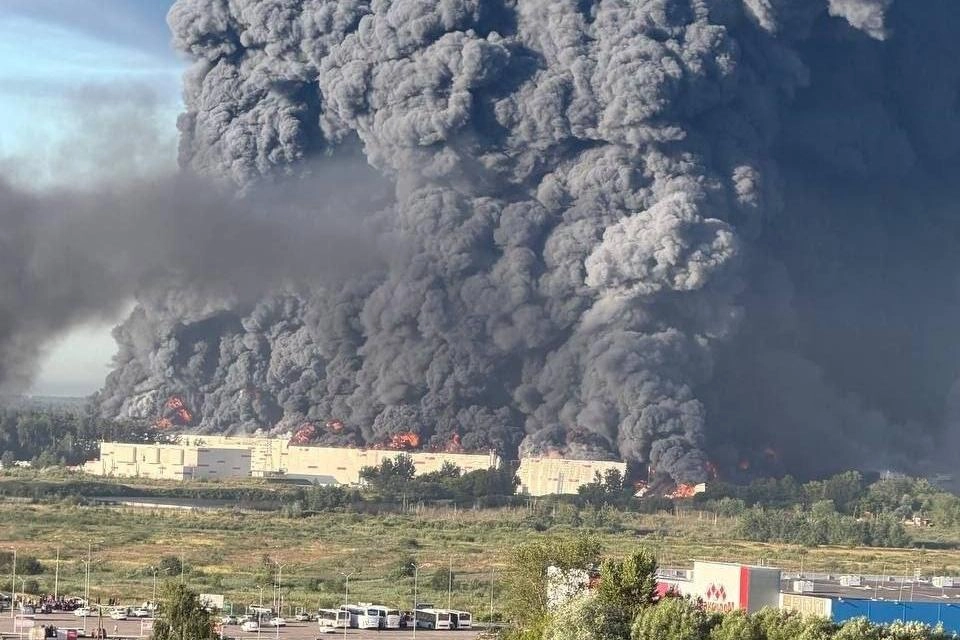
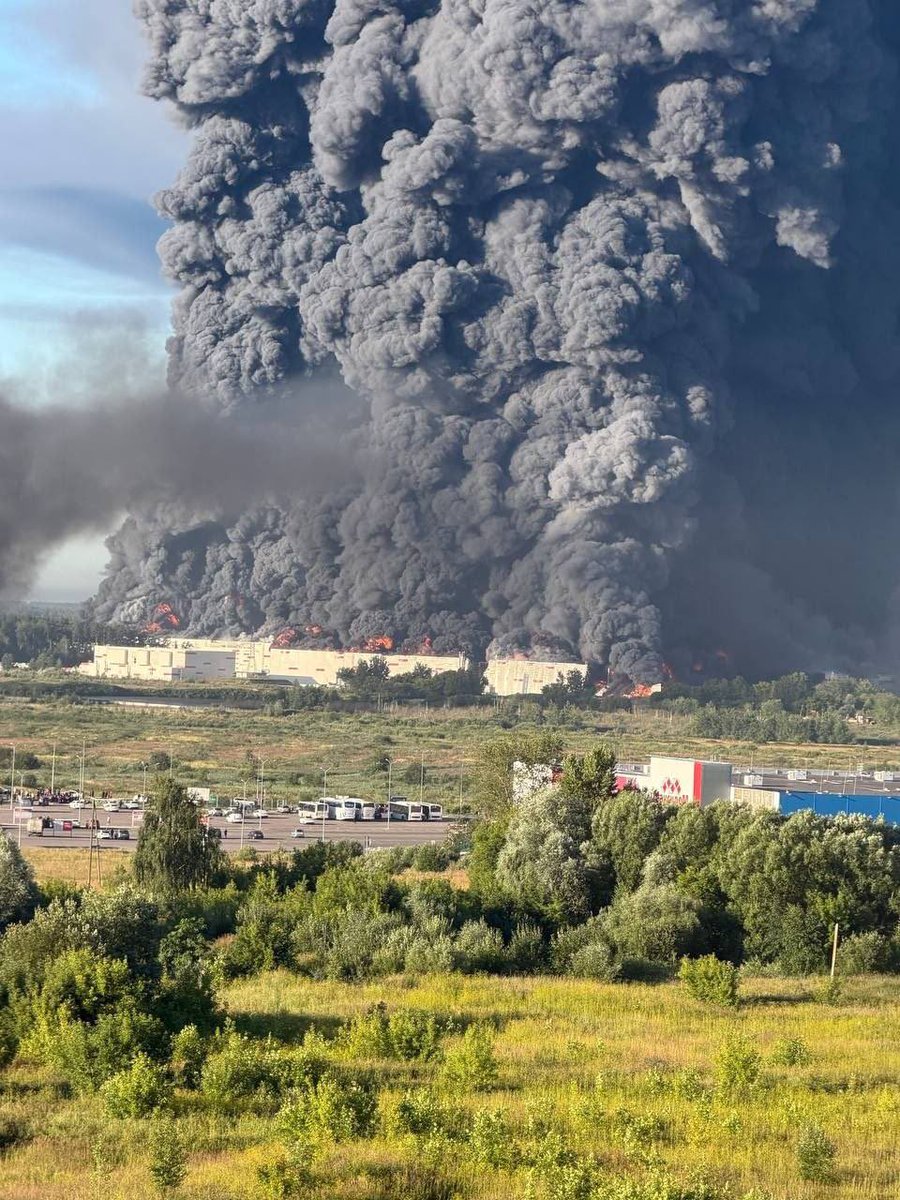
The Ukrainian side said the warehouse complexes were not merely ordinary collection and distribution points but important elements of Russia’s military logistics network. According to Ukrainian President Volodymyr Zelenskyy, the facilities may have stored sanctioned components used in the production of attack drones and navigation equipment.
What is known about Wildberries
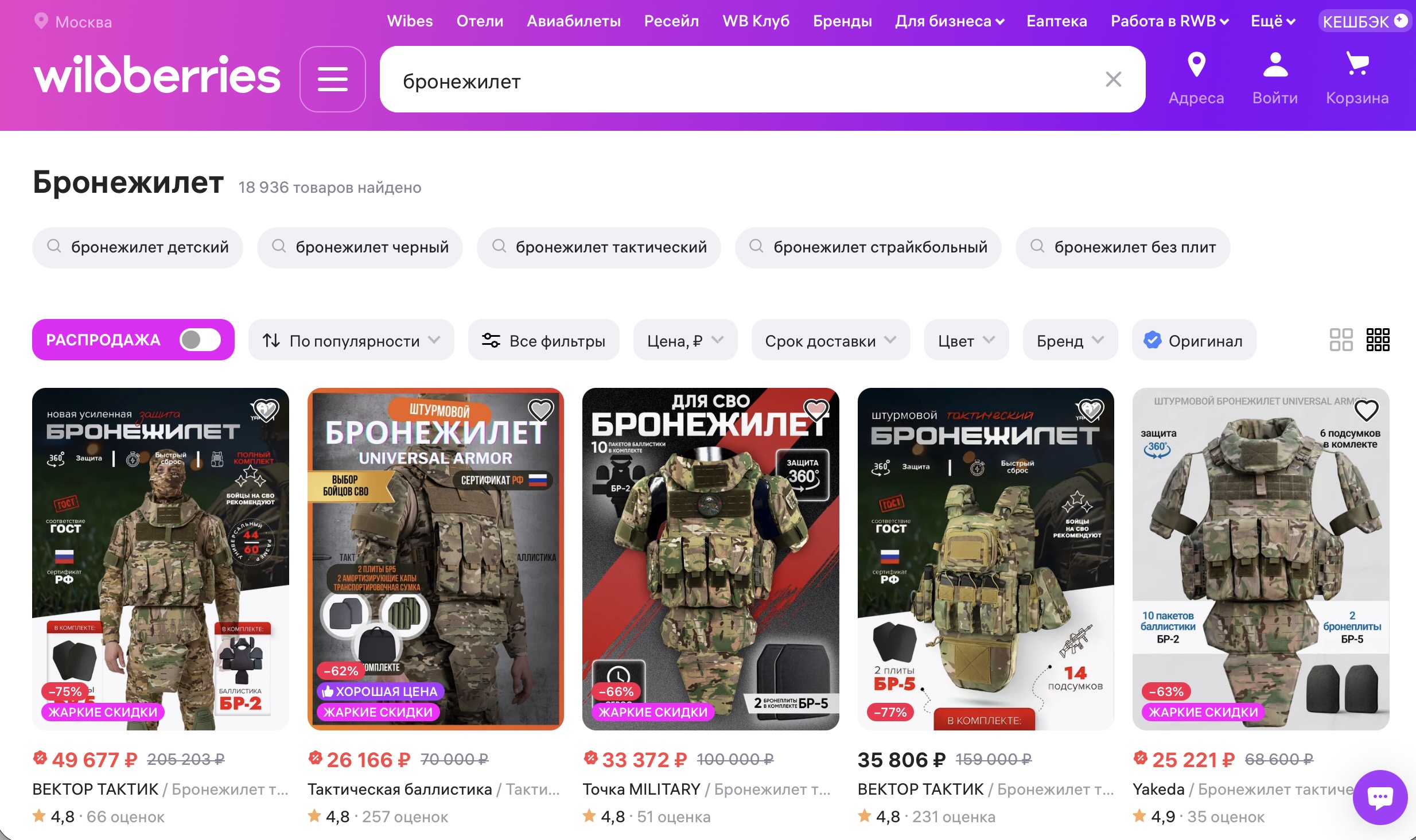
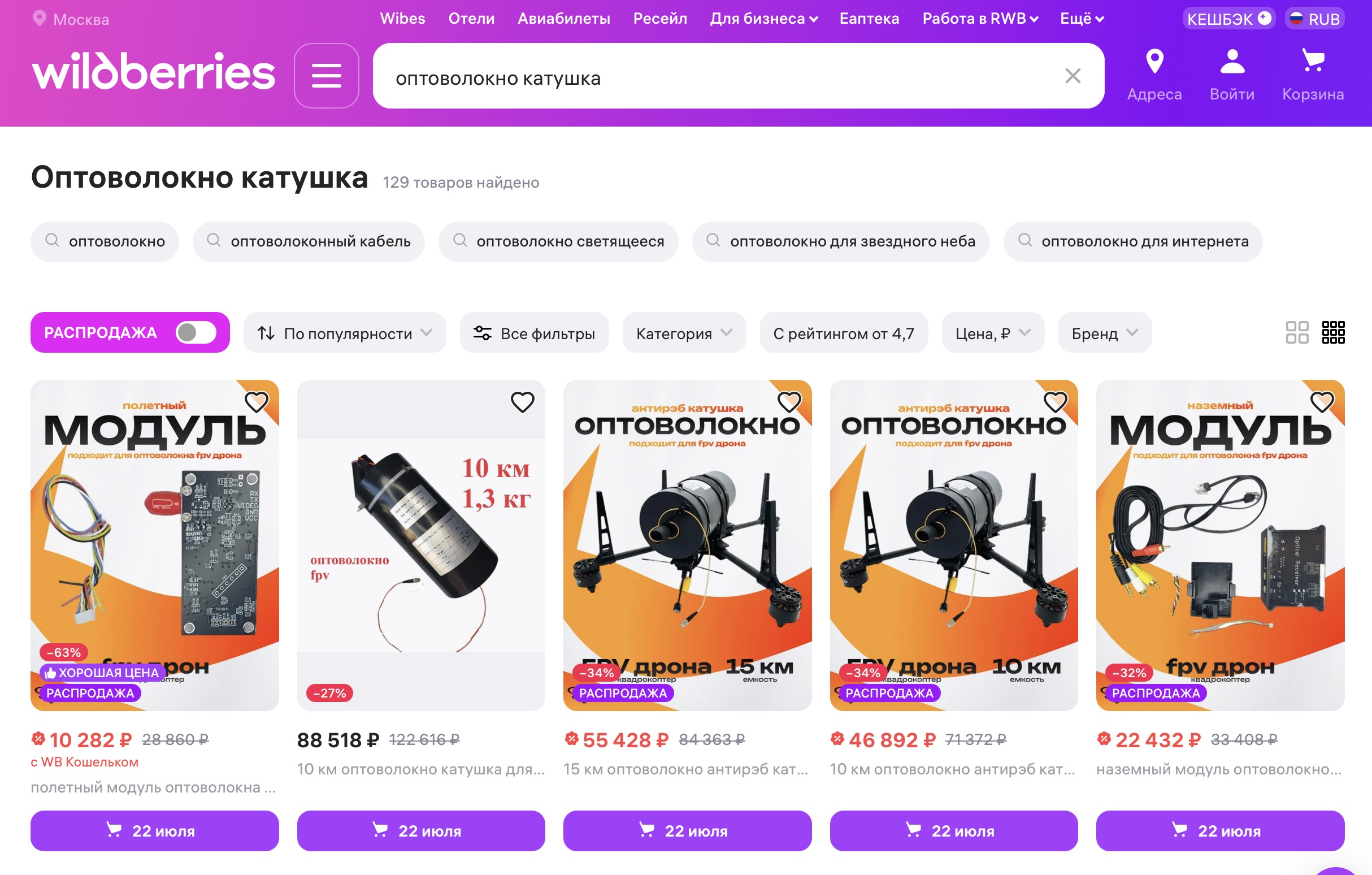
It is worth noting that the marketplace sold military equipment, components for FPV drones and other goods used in Russia’s war against Ukraine. Body armour alone accounted for more than 18,000 listings.
Wildberries also sells components for fibre-optic FPV drones, including fibre-optic cable spools and control modules.
Wildberries is Russia’s largest online marketplace and one of the country’s biggest privately owned businesses. The company was founded in 2004 by Tatyana Kim and Vladislav Bakalchuk. In 2024, Wildberries merged with outdoor advertising operator Russ, after which the assets were transferred to the joint company RVB. The deal was accompanied by a major scandal, prompting even Vladimir Putin to intervene.
According to INFOLine estimates, Wildberries’ gross merchandise value reached approximately 3.75 trillion roubles in 2024. The platform accounted for around 47% of Russia’s online marketplace sector and processes more than 10 million orders per day.
Hundreds of thousands of sellers operate on the platform, although the company does not publicly disclose the current exact number of active merchants. As of 2024, the Wildberries network included around 50,000 collection points in more than 7,000 settlements. The company also operated more than 130 logistics facilities with a combined area exceeding 2.5 million square metres.
In addition to Russia, Wildberries operates in Belarus, Kazakhstan, Kyrgyzstan, Armenia, Uzbekistan, Georgia and several other countries. The platform sells clothing, electronics, cosmetics, household appliances, food, jewellery and other goods.
Well, it appears Russians will now be left without underwear or body armour, but at least it is “Very hot, very good…” 😅
An oil depot in Noginsk caught fire following the attack. Authorities evacuated patients from a nearby maternity hospital and residents of one building. The extent of the damage has not yet been disclosed, meaning Russia’s oil industry will probably once again settle on the familiar phrase “a minor fire at an industrial facility.”
At the same time, Ukraine’s General Staff reported strikes on Russian logistics targets in the Black and Azov seas. The stated targets included tankers, floating platforms, a tugboat and a patrol vessel near Kerch.
The Ukrainian military also said it had struck a railway bridge over the Bila River near Sabivka in the occupied part of the Luhansk region. According to Kyiv, the bridge was used to transport Russian troops and cargo. There has been no independent confirmation of these reports so far.
Meanwhile, the Russian Defence Ministry claimed that 379 Ukrainian drones had been intercepted over 19 regions, temporarily occupied Crimea and the Black and Azov seas. Judging by the fires at the warehouses and oil depot, some of the “destroyed” drones were apparently once again intercepted directly by Russian logistics infrastructure.
The latest attack continued Ukraine’s campaign against Russia’s transport, fuel and production chains. Kyiv says the purpose of such operations is to disrupt supplies to the Russian military and hinder weapons production.
Moscow, meanwhile, continues to insist that every drone was shot down, every facility is operating normally and the thick smoke rising above industrial sites is probably just another feature of the Russian economy.
Source: warecho.org