

Russia’s fuel crisis is deepening following a series of Ukrainian drone strikes on the country’s oil refineries, fuel depots and logistics infrastructure. Motorists in several regions are facing kilometre-long queues at petrol stations, fuel purchase restrictions and rising prices.
Since March 2026, Ukraine has carried out more than 50 attacks on Russian oil refineries, terminals and storage facilities, including repeated strikes on the same sites. According to analyst estimates cited by the agency, Russia’s oil refining volumes fell by 25% year-on-year in June, while petrol production declined by 17%. Around one-third of the country’s refining capacity was reportedly taken offline.
The disruption has spread from annexed Crimea to southern Russia, Siberia and even Moscow. According to the agency, motorists in most regions have faced fuel purchase limits, while some petrol stations in the capital have closed or been forced to operate amid long queues.
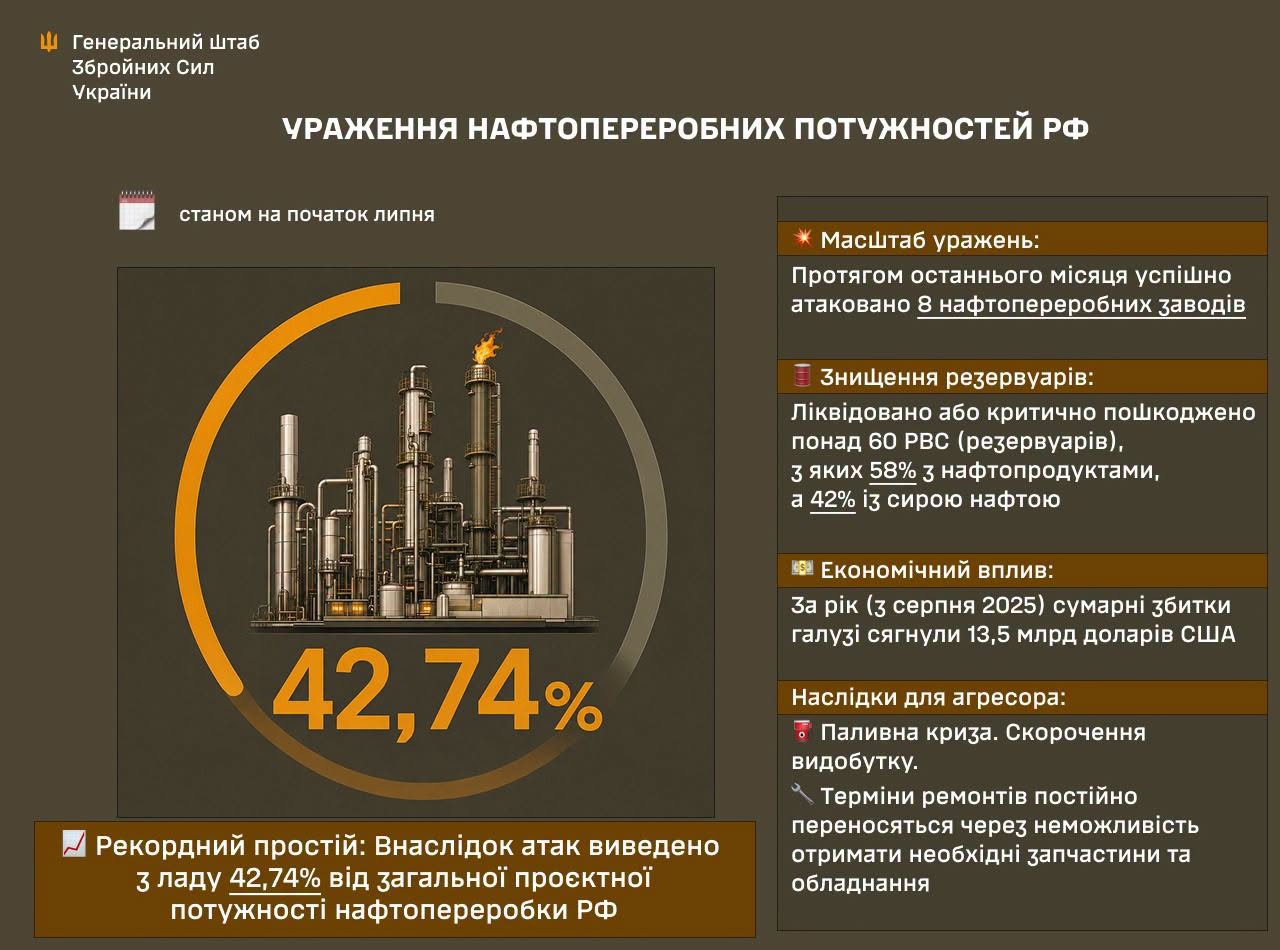
Systematic strikes by the Ukrainian Defense Forces have disabled 42.74% of Russia’s total designed oil-refining capacity
The General Staff of the Armed Forces of Ukraine reported:
“Eight oil refineries were successfully struck over the past month. More than 60 vertical steel storage tanks were destroyed or critically damaged, including 58% containing petroleum products and 42% containing crude oil,” the statement said.
The General Staff estimated that Russia’s losses caused by systematic Ukrainian strikes since August 2025 had reached $13.5 billion.
It added that the so-called “long-range sanctions” had triggered a fuel crisis and reduced oil production in Russia. Repairs at Russian oil facilities are also being repeatedly delayed because the country is unable to obtain the necessary spare parts and equipment.
One of the most significant developments was the shutdown of the Moscow Oil Refinery following drone attacks. Repairs could take at least six months. The facility is the largest fuel supplier to Moscow and the surrounding region, and its closure is complicating government efforts to stabilise the market.
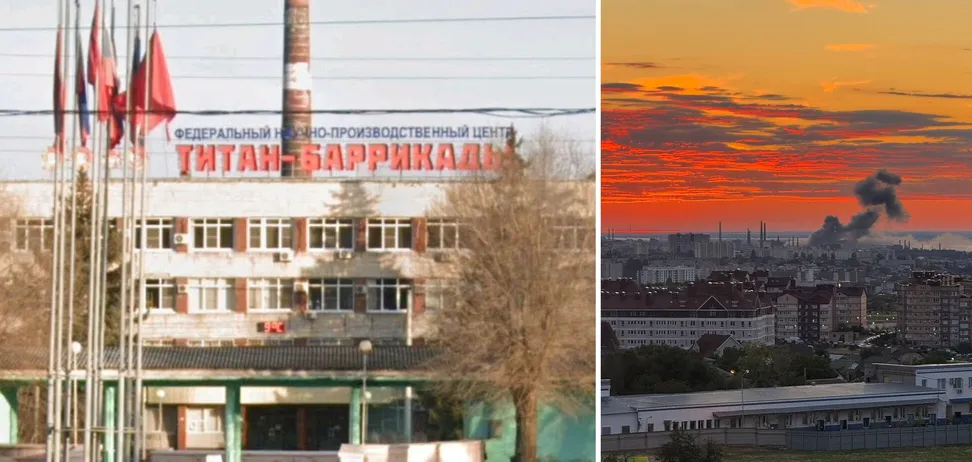
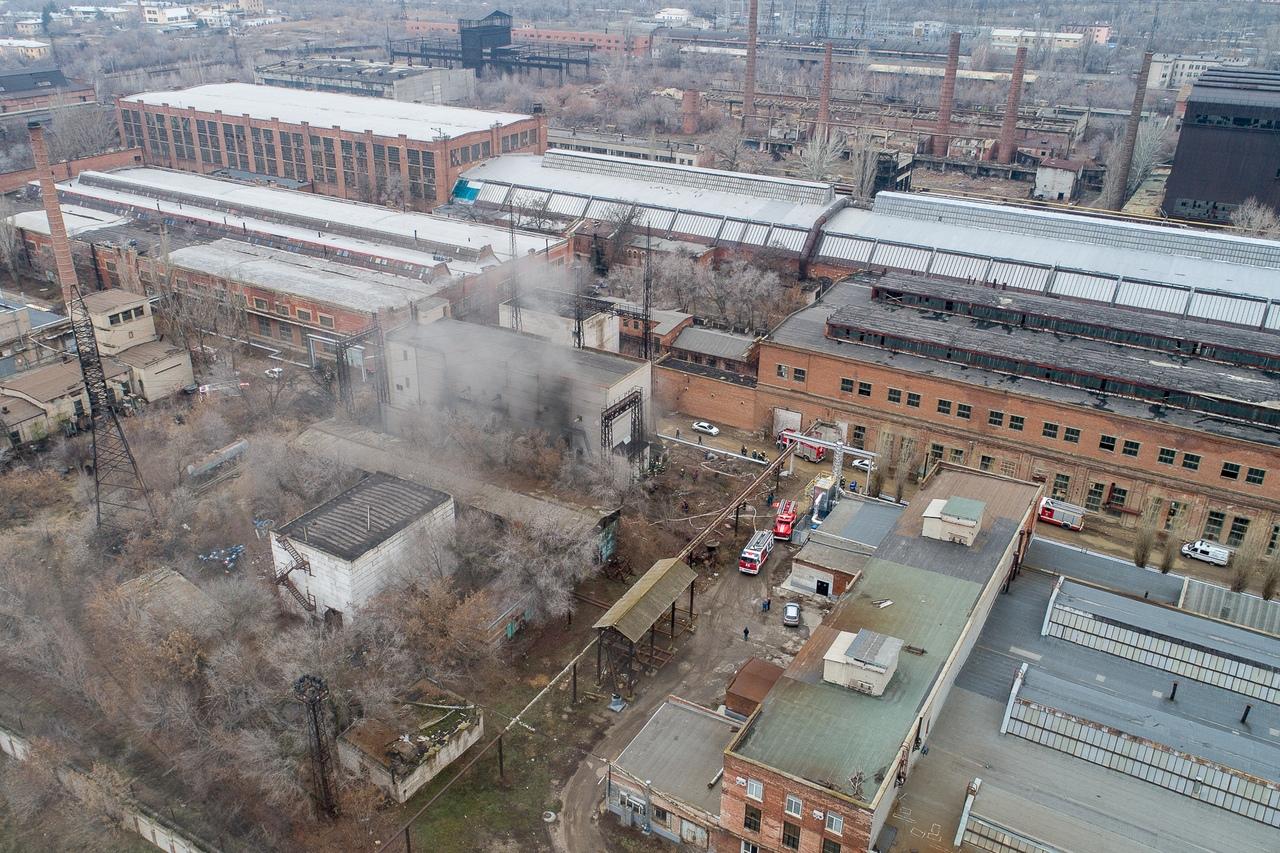
According to available information, the Titan-Barrikady plant is considered one of the key enterprises in Russia’s military-industrial complex and manufactures components for the Iskander-M, Topol-M and Yars missile systems.
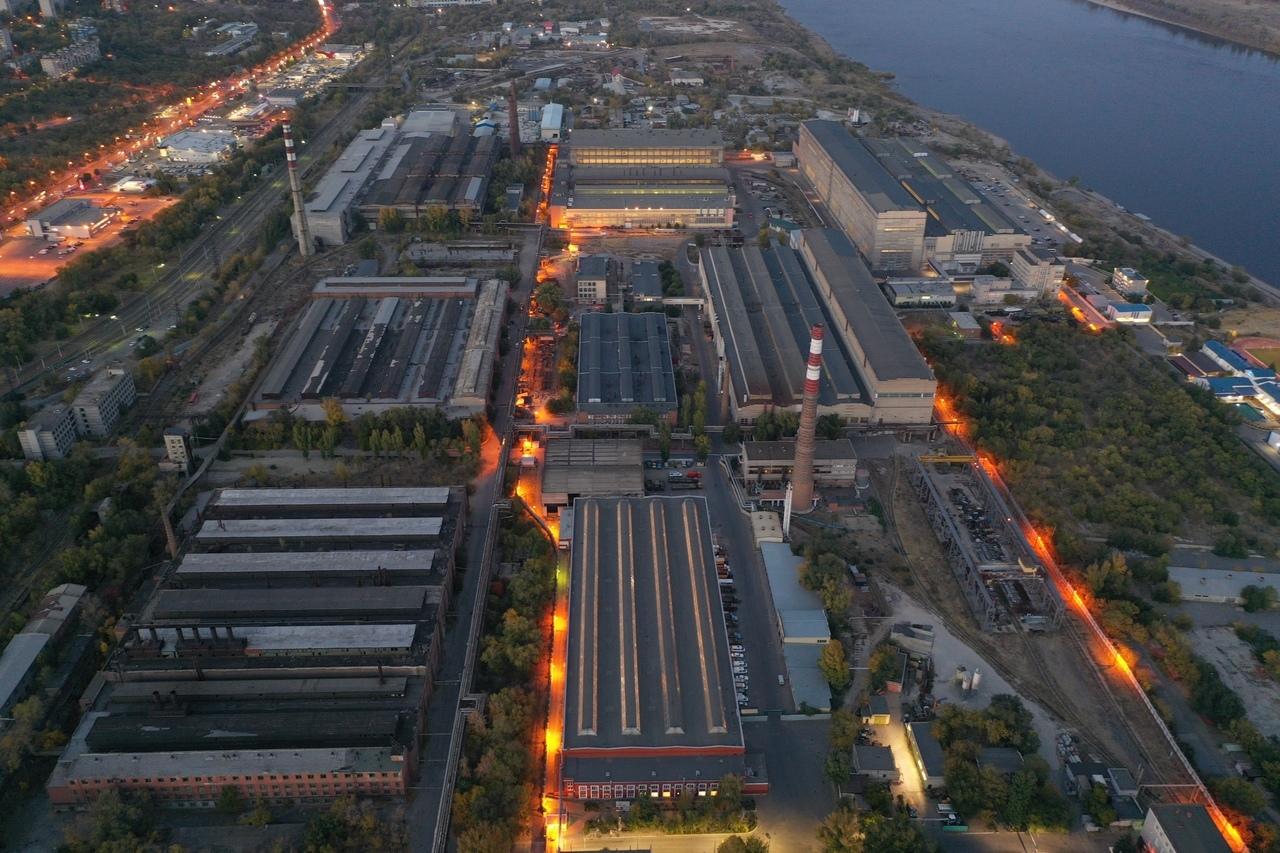
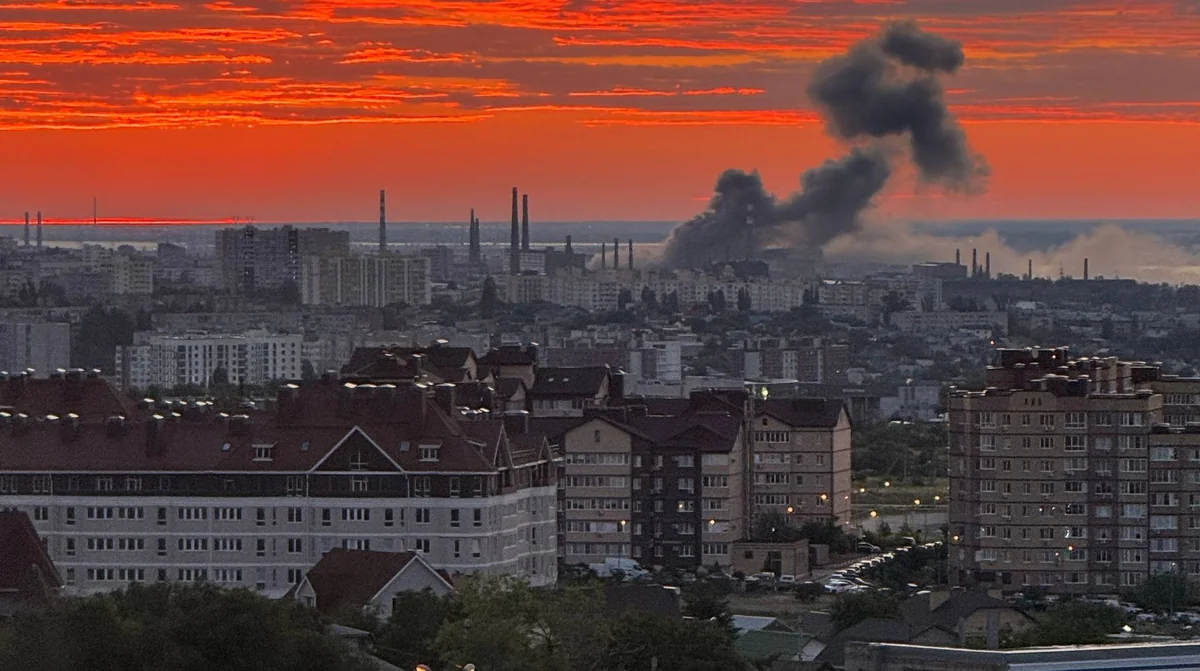
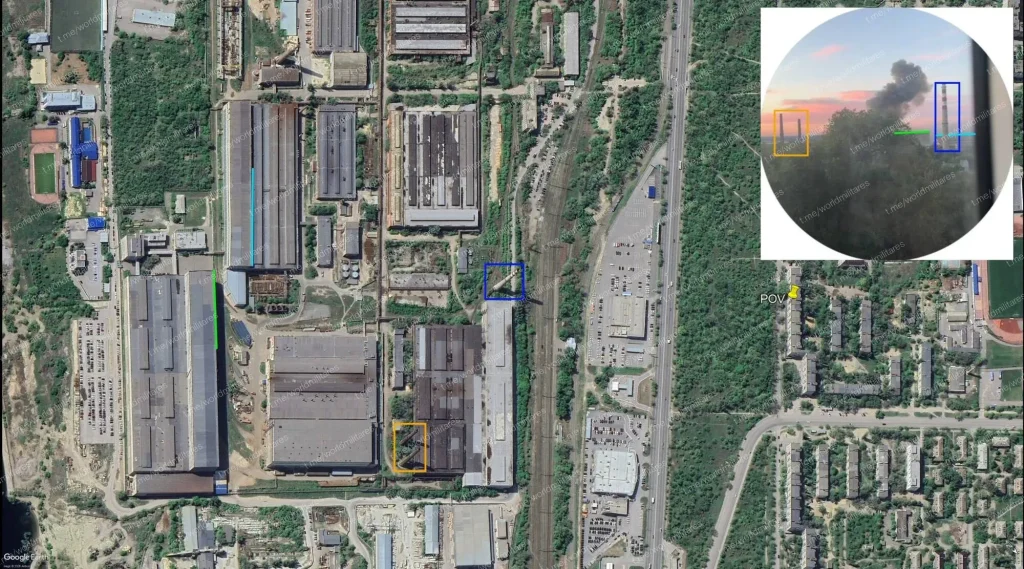
Ukraine struck the Russian city of Volgograd overnight on June 27. The attack targeted the strategically important Titan-Barrikady plant, which produces launchers, artillery systems and components for the Iskander-M ballistic missile system, as well as the strategic Yars and Topol-M missile systems.
At least three strikes were recorded, triggering a major fire and injuring plant workers.
Ukraine reportedly used long-range Flamingo cruise missiles during the attack on the plant. The missile has a range of up to 3,000 kilometres and can carry a warhead weighing more than one tonne. It was developed by the Ukrainian defence company Fire Point. A total of five Flamingo missiles were reportedly launched at Volgograd.
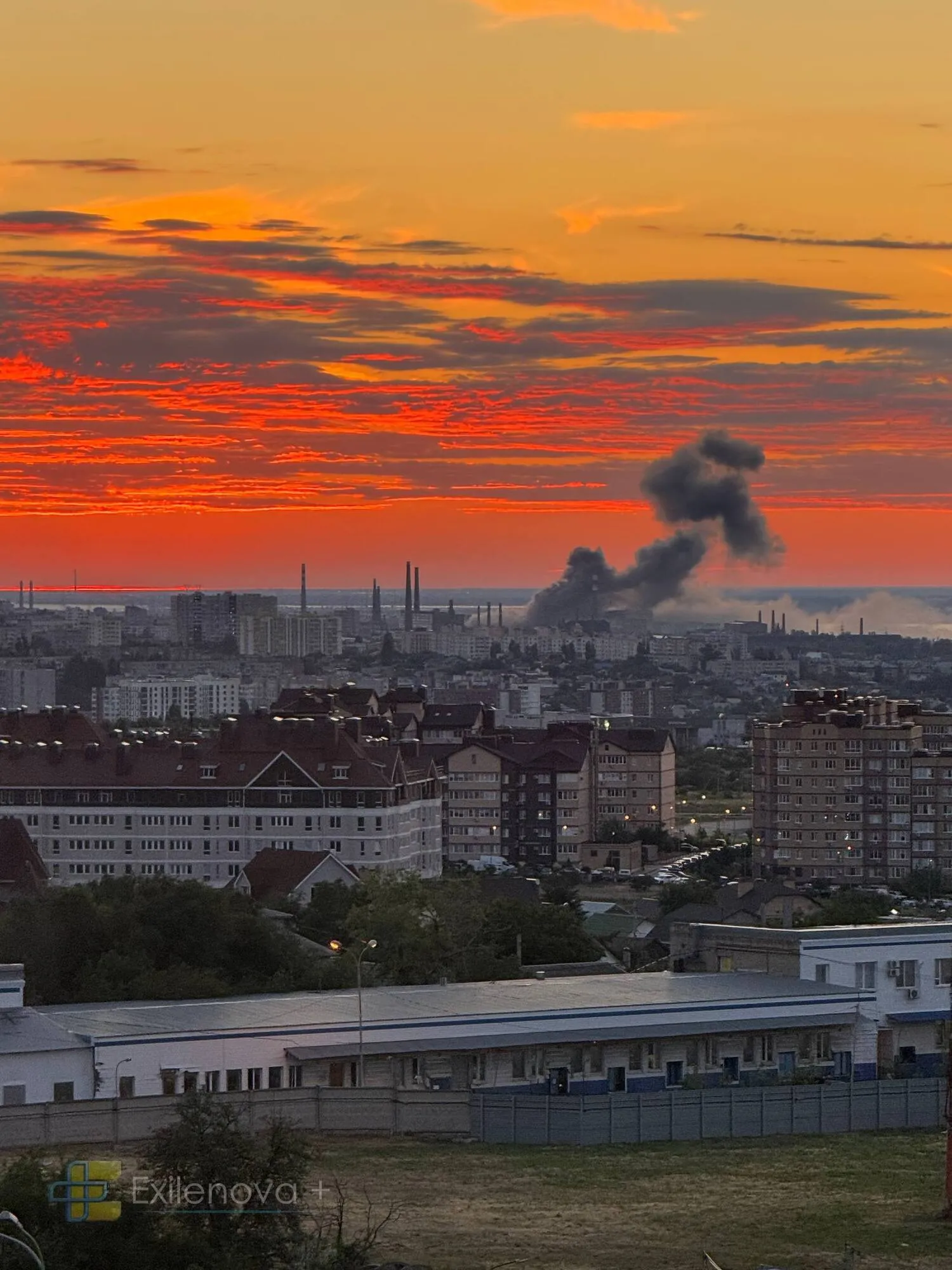
Volgograd Region Governor Andrei Bocharov confirmed that production facilities at an industrial site in the city’s Krasnooktyabrsky district had been damaged in the missile attack. He also said that ten people had been injured.
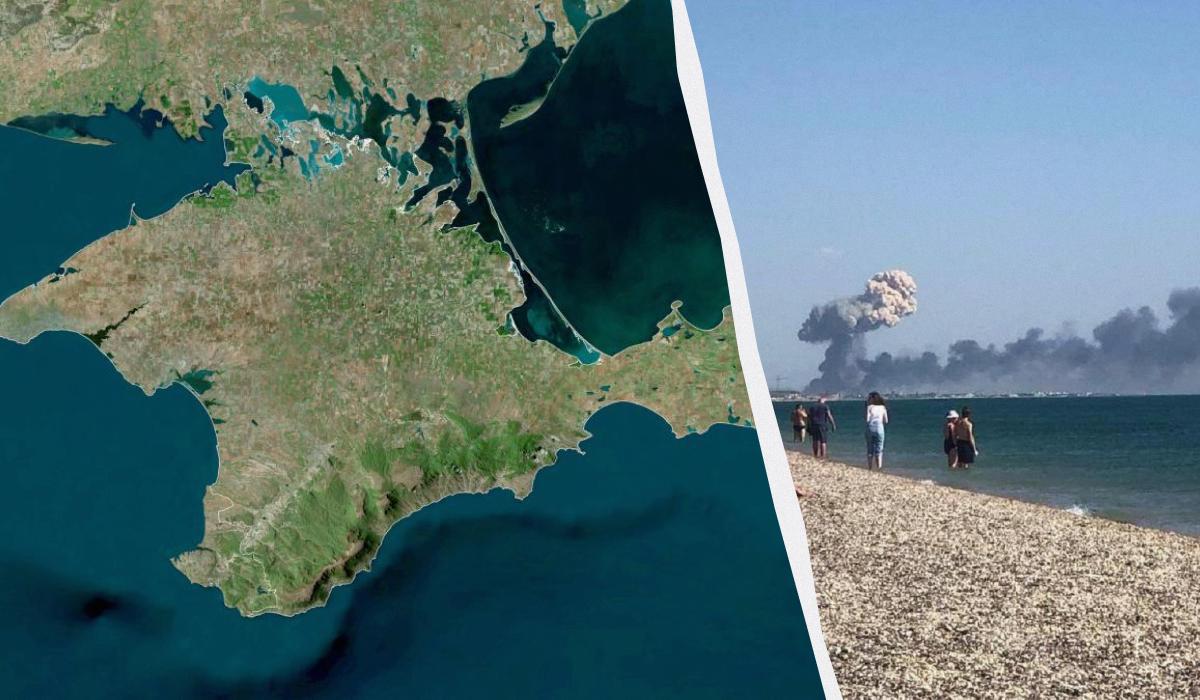
The situation in Crimea remains among the most severe
Russia’s federal statistics agency, Rosstat, reported that petrol prices in Sevastopol rose by 30% in one week, while the authorities restricted fuel sales to private motorists and reduced public transport and business operations. According to Reuters estimates, petrol prices in some regions reached levels comparable to Europe’s most expensive markets.
The Russian-installed authorities in Crimea and Sevastopol declared a regional state of emergency amid electricity supply problems. Mikhail Razvozhayev, the Russian-appointed head of Sevastopol, said the measure was necessary to address economic issues and compensate residents and businesses for their losses. He announced the decision on Telegram.
Ukraine’s Security Service strikes two Russian military vessels and an S-400 system in Kerch
Drones operated by the Security Service of Ukraine struck two Russian military support vessels and air-defence equipment in temporarily occupied Kerch, according to the SBU press service.
The vessels were reportedly located at the Zaliv shipyard. The strike was carried out as part of a 40-day operation targeting Russia and in accordance with objectives set by President Volodymyr Zelenskyy.
Russian air-defence assets near the Kerch Strait were also hit.
During the special operation, SBU drones struck the Project 15310 cable-laying vessels Volga and Vyatka, as well as the Petropavlovsk cargo-and-passenger ferry, which was reportedly 96% complete. The strikes caused a major fire aboard the vessels.
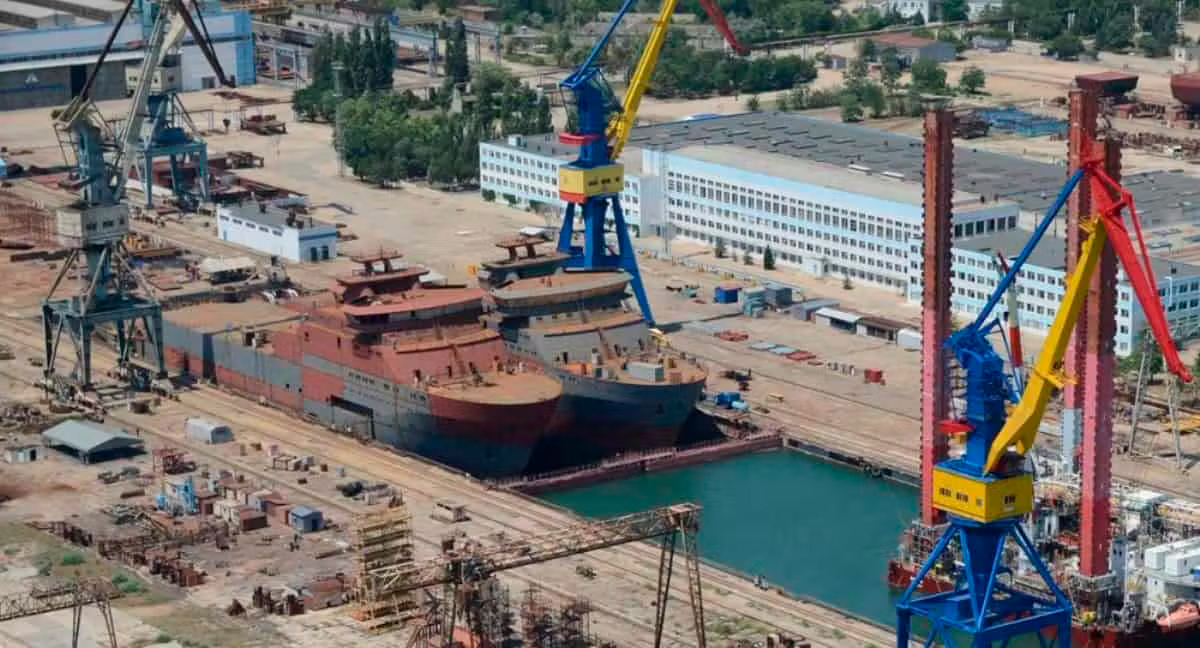
The Volga and Vyatka were built for the Russian Defence Ministry. Their intended purpose is to deploy the Garmoniya hydroacoustic surveillance system for underwater military intelligence. They can also lay influence mines designed to damage ships, underwater pipelines, cables and other critical infrastructure. Each vessel is worth hundreds of millions of dollars.
SBU drones also struck weapons systems and a radar station belonging to an S-400 surface-to-air missile system protecting the Kerch Strait area.
Russian leader Vladimir Putin acknowledged that Ukrainian drone strikes had caused fuel supply problems in several regions, but claimed that the authorities were bringing the situation under control. Ukrainian attacks have reduced Russia’s refining capacity by approximately one-quarter and intensified shortages on the domestic market.
Ukraine views strikes on oil infrastructure as a way to weaken supplies to the Russian military and increase pressure on the economy supporting the war. Russian media have also reported fuel shortages and kilometre-long queues at petrol stations following attacks on energy infrastructure.
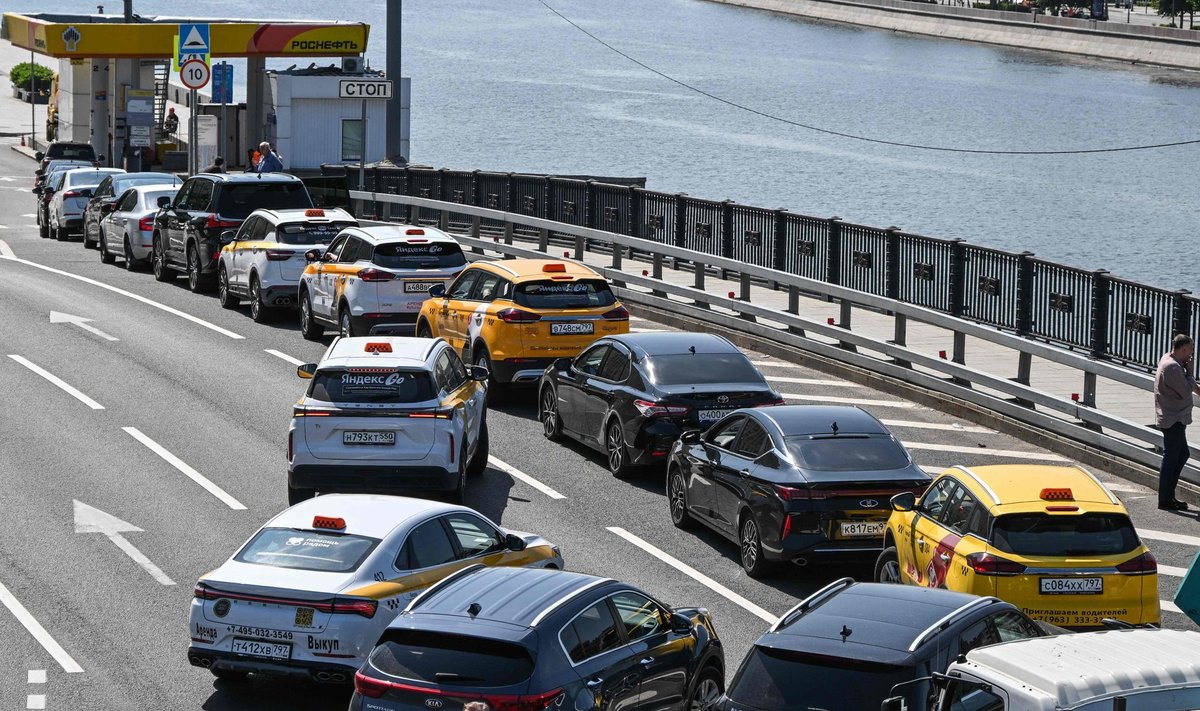
Experts warn that the crisis could persist throughout the summer. The problem is not limited to damage at refineries but also involves logistics: fuel supplies are not always located where they are urgently needed, and transporting them across Russia’s vast territory takes time. Seasonal demand from the agricultural sector is adding further pressure.
Source: warecho.org